Grand Ball del Plebiscito 2019
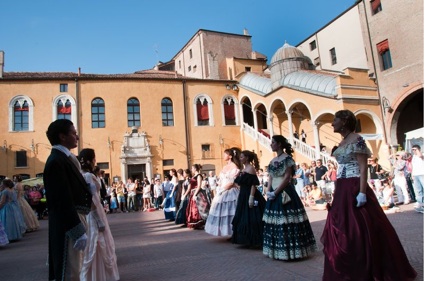
Grand Ball ‘del Plebiscito’
30.3.2019 Ferrara
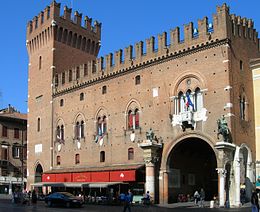
Palazzo del Municipio, Salone del Plebiscito
Società di Danza Ferrara,
Società di Danza - Circolo Ferrarere, under the patronage of the Municipality of Ferrara and with the collaboration of Museo del Risorgimento e della Resistenza of Ferrara, organizes the Grand Ball to celebrate the history of United Italy in the Town City Hall Palace.
The city of Ferrara joined the Italy nation through a ‘Plebiscito’, by voting to become part of Italy in March 1860. The Grand Ball of Plebiscito si a tribute to this relevant historical event.
Program includes waltzes, quadrilles, polpa, mazurka, contredanse, marches and galop.
Dancers dress 19th Century ball dress of the romantic period.
info: ferrara@societadidanza.it
- Ball
- 19th century
- All levels
Gran Ballo delle Cinque Giornate 2019
Gran Ballo Risorgimentale - 19th Century Grand Ball
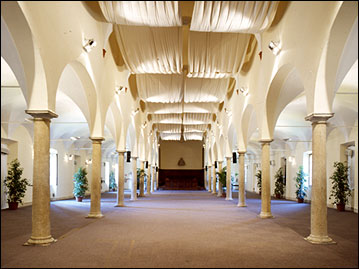
Sala delle Colonne, Museo Nazionale della Scienza e Tecnologia
Società di Danza - Circolo Milanese
31.3.2019
directed by F. Mòllica
To celebrate the 'Cinque Giornate di Milano' (the Five Days in Milano), one of the major episodes in the history of Italian Risorgimento of the nineteenth century in 1848.
in collaboration with the 'Museo Nazionale della Scienza e Tecnologia', in the 'Sala delle Colonne'.
Waltz, quadrille, contredances, mazurka, polka, marsch.
For further information contact
Societa' di Danza - Circolo Milanese
- Ball
- 19th century
- All levels
5th Period Dances Summer School 2019
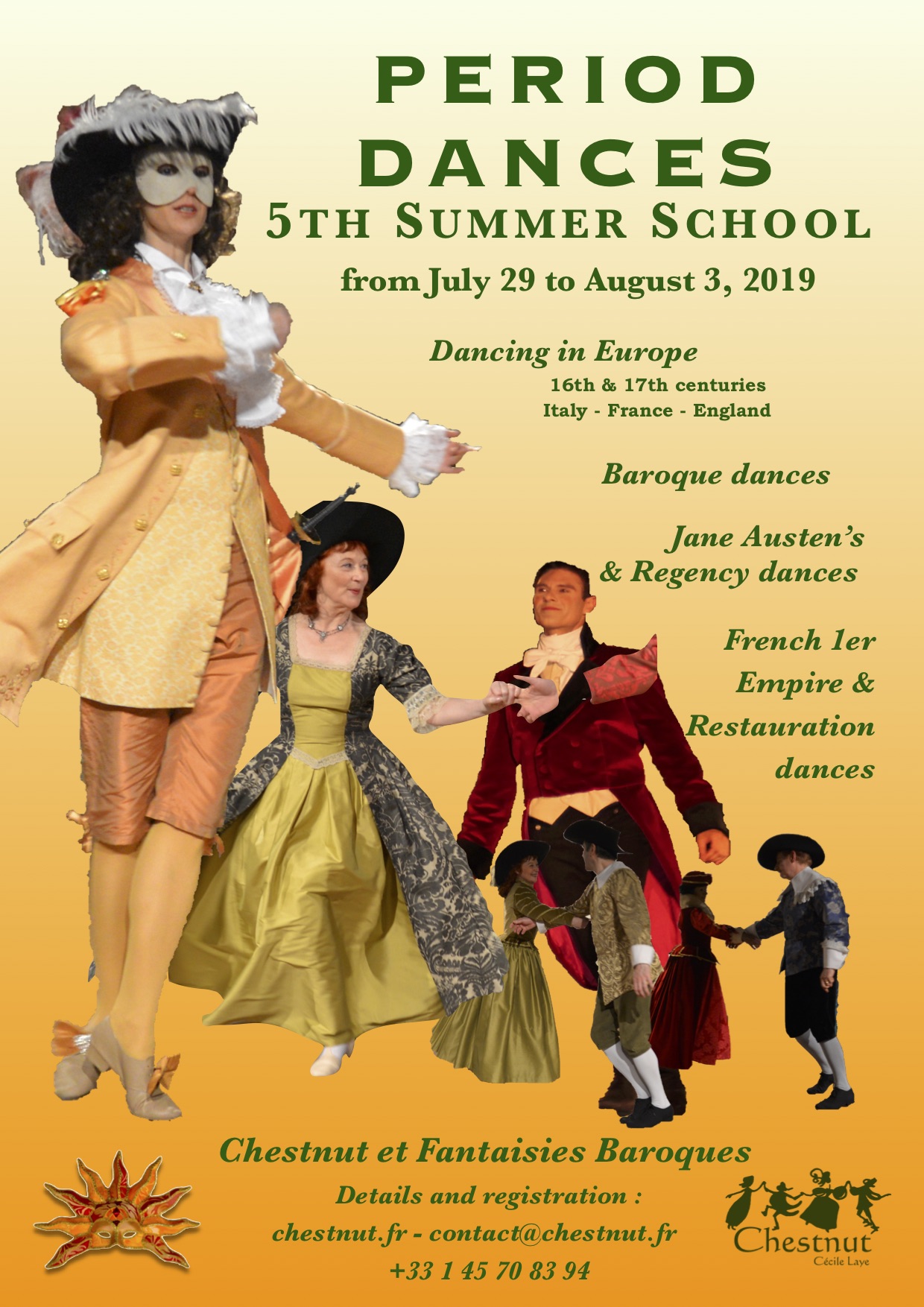


Chestnut and Fantaisies Baroques welcome you from July 29 to August 3, 2019 to their fifth summer school of period dances in Normandy.
CONTENTS
- Dancing in Europe in two, four or eight during the end of the 16th and the beginning of the 17th centuries (Italian, French and English tradition)
- Baroque dances
- Jane Austen & Regency dances
- French 1rst Empire - Restauration dances
With four different subjects and two instructors (Cécile Laye and Irène Feste), you’ll be able to make up your own schedule according to your tastes and how energetic you feel. You may opt for an intensive dance programme, up to 6 hours daily, or choose a mix of workshops and time for resting or for touring the area.
In our workshops, the programme allows for all levels of dancing. Each dancer will be taught variations suitable to his/her possibilities.Each day will start at 9 a.m. with a half hour of warming up exercises, led by each instructor in turn.
WORKSHOP DESCRIPTION
MORNING :
- Dancing in Europe in two, four and eight during the end of the 16th and the beginning of the 17th centuries through the Italian, French and English traditions workshop (3 hours : 9.45 am - 0.45 pm): Cécile Laye
- An Andréa Francalanci choreography for several couples on the Toccata of Monteverdi’s Orfeo
- La Battaglia: a ballet for two couples, written by Cesare Negri, « Milanese detto il Trombone», in 1602
- Two choreographies for 8 dancers out of Playford’s early editions: Hunsdon House and Nonsuch
or

- Baroque dances workshop (3 hours : 9.45 am - 0.45 pm): Irène Feste
La Czarienne par Monsieur Balon, out of the XVIth Recueil de danses dated 1718, collected and edited by Mr Dezais, a Dancing Master. It is a ballroom dance in two parts, one a 3-time piece, the other a rigaudon. Initiation à la notation Beauchamp-Feuillet
AFTERNOON :
- Jane Austen's and Regency dances workshop(1 hour and half : 3.00 pm - 4.30 pm or 5.00 pm - 6.30 pm on alternate days): Cécile Laye
In 1798 Jane Austen, then 23 years old, came home from a ball and wrote “The programme included twenty dances. I danced them all without feeling tired at all”. Based on Jane Austen’s books and letters, we’ll try and find out what she could have danced at the time:
- A cotillon en allemande (Longman 1781)
- A longways triple minor set (Frisky - Straight and Skillern 1775)
- A reel
- La Boulangère (Colinet 1815 and Campbell)
and/or
- French 1rst Empire - Restauration workshop (1 hour and half : 3.00 pm - 4.30 pm or 5.00 pm - 6.30 pm on alternate days): Irène Feste
An adaptation of la Cosaqueaccording to Michel Saint Léon’s « Cahiers d’exercices ». It is a character dance that came into fashion in balls around the 1830s. It calls for the elaborate technical vocabulary we still use but in our workshops we’ll adapt it, while respecting its style, in order to make the learning and dancing more pleasant.
EVENING ACTIVITIES
Evening entertaiment will be organized for trainees and instructors to share a good time:
- Tuesday: team quizz on period dances
- Wednesday: films
- Thursday: will be decided by trainees
- Friday : Costume Ball including the dances studied in the workshops. (Please note: costume is not a must.)
TEACHERS
[
Cécile LAYE
Cécile Laye studied historical dances in England with Dolmetsch Historical Dance Society, Nonsuch History and Dance and EFDSS (English folk Dance and Song Society). She studied in particular with famous teachers or researchers such as Anne Daye, Anne Cottis, Peggy Dixon, Ethyl Anderson, Marjorie Fennessy, Tom Cook and Alan Davies. In France, she studied under Francine Lancelot, Andréa Francalancci and Barbara Sparti. In 1998 she founded the CHESTNUT company to make available the repertoire of figure dances of the time of the Stuarts and the English inheritance, from a literary and historical point of view, in collaboration with musicians, dancers, actors, singers, horse riders and fencers. She also graduated from Cours Florent in acting and staging.

Irène FESTE
After a diploma in ballet dancing, Irène Feste studied « Belle Dance » with L’Eclat des Muses, a company led by Christine Bayle. In 2007, she founded her own company with Pierre-François Dollé: Fantaisies Baroques. They design and perform dance/theatre shows in schools and music schools. Irène Feste specialises in baroque and Premier Empire (Napoleonic time) dances, her two main fields of research. She regularly dances with compagnie Divertimenty.
VENUE
Le Tapis Vert, a residence for artists nestling in a large estate in the Normandie-Maine park, offers several accommodation possibilities on site, from boarding-house to rented rooms and camping. Also on site, two superb halls for activities and a circus tent make for a high quality environment.


FEES
Tuition prices (€/pers.) :
1 hour 30 Module: €125
- French 1rst Empire - Restauration (1h30 in the afternoon)
- Jane Austen & Regency dances (1h30 in the afternoon)
3 hours Module : €216
- Baroque dances (3 hours in the morning)
- Dancing in Europe 16th & 17th centuries (3 hours in the morning)
- French 1rst Empire - Restauration + Jane Austen & Regency dances (2 x 1h30 in the afternoon)
4 hours 30 Module : €288
- Baroque dances (3 hours in the morning) + French 1rst Empire - Restauration or Jane Austen & Regency dances (2 x 1h30 in the afternoon)
- Dancing in Europe 16th & 17th centuries (3 hours in the morning) + French 1rst Empire - Restauration or Jane Austen & Regency dances (2 x 1h30 in the afternoon)
6 hours Module: €336
- Baroque dances (3 hours in the morning) + French 1rst Empire - Restauration and Jane Austen & Regency dances (2 x 1h30 in the afternoon)
- Dancing in Europe 16th & 17th centuries (3 hours in the morning) + French 1rst Empire - Restauration and Jane Austen & Regency dances (2 x 1h30 in the afternoon)
Accommodation and meals prices (€/pers.) : available on our site and on registration form.
Please note : before you fill in your registration form, please check with us calling +33 660 222 321 or contacting us at contact@chestnut.fr to find out which type of accommodation is still available.Please note: there are no shops near Tapis Vert. It is a long way from any village.
- Bed sheets are included in the price
- Towels are not included. You have to bring them.
HOW TO GET THERE
Reaching Tapis Vert
- By car
Le Tapis vert is 200 km away from Paris and 130 km away from Rennes.
- By train
The nearest train station is Alençon, reached either through Surdon from Paris Montparnasse-Vaugirard or by TGV through Le Mans. Share taxi or car from Alençon station.
IMPORTANT if you come by train:
Le Tapis Vert is a half-hour drive away from the Alençon train station. Taxis are available. However, we try to coordinate dancers arriving by car so that they collect those arriving by train on their way. And we try and to the same on Saturday for departures.
If you arrive on Monday:
We’ll try and organise cars to fetch people arriving in Alençon on the 16:06 train and bring them to Tapis Vert. Please let us know if you chose that train, and if not, at what time you plan to get to Alençon.
Please note: we do our best to organise cars and bring train passengers from the Alençon station to Tapis Vert on Monday afternoon. However, if you arrive too late you may have to take a taxi.
Leaving on Saturday:
We’ll organise car sharing to Alençon railway station on Saturday morning for those taking the 12:48 train. Please let us know if you chose that train or if not, at what time you’ll be leaving.
Please note: we’ll do our best to organise car-sharing and drive train passengers to the Alençon station on Saturday morning. However, if you leave too early or are the only one from Tapis Vert taking a particular train you may have to take a taxi.
TRAINEES’ WELCOME
Trainees are welcome from 5:00 pm on Monday, July 29, 2019.
Please note : as no evening meal is provided on the first day evening (Monday), please bring a picnic dinner !
Departure on Saturday, August 3, 2019 after breakfast.
REGISTRATION
Please note : before you fill in your registration form, please check with us calling +33 660 222 321 or contacting us at contact@chestnut.fr to find out which type of accommodation is still available.
Registration form available here (if nothing is displayed, look in the downloads of your browser)
Payment from abroad by bank transfer or PayPal : please contact us +33 660 222 321 or contact@chestnut.fr
CONTACT- INFORMATION
contact@chestnut.fr or +33 660 222 321
FLYER :
- Workshop
- Summer School
- Renaissance
- Cinquecento
- French Renaissance
- Tudor
- Baroque
- Early Baroque
- Playford
- 19th century
- Quadrilles
- Regency
- Beginner
- Intermediates
- Advanced
KRAKOW DANCES WORKSHOPS during 20th CRACOVIA DANZA COURT DANCE FESTIVAL
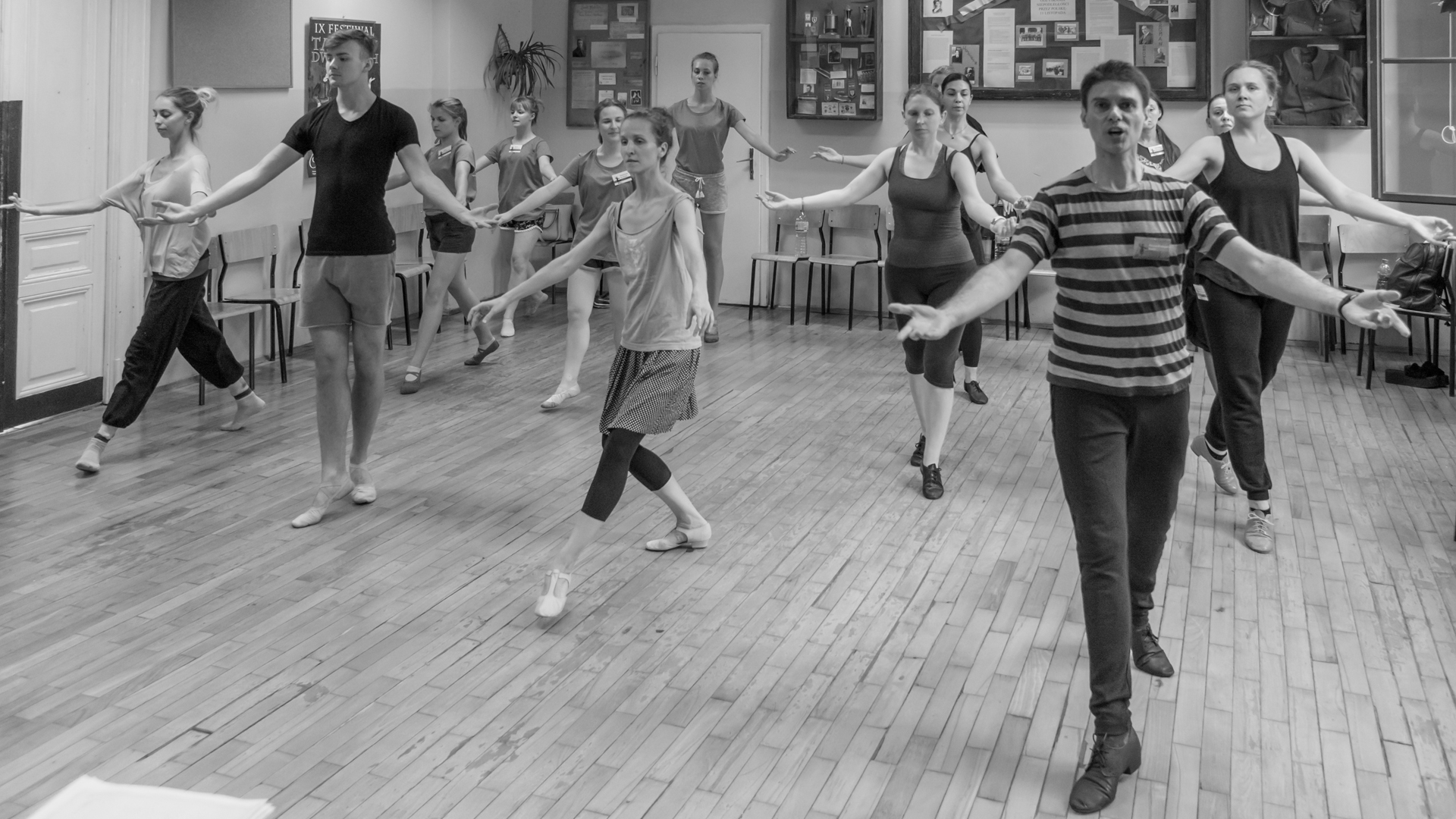
KrakOw DANCES WORKSHOPS
during
20th CRACOVIA DANZA COURT DANCE FESTIVAL
21-28 July 2019
The 20th anniversary of the Cracovia Danza Court Dance Festival will take place in Krakow between July 21-28. The tagline of this year’s Festival edition is Fables, Fairytales, and Legends, as the program of the event is based on the fantasy stories which relate to the European, Polish, and even Krakow cultural heritage.
Traditionally, the Festival will be accompanied by the Krakow Dances 5-day workshops, annually attended by over 150 participants from around the globe. The attendees are supervised by such dance champions as e.g. Alaknanda (India), Barbara Segal (England), Marie-Claire Bär Le Corre (France), Ana Yepes (Spain), and Pierre-Francois Dollé (France). For the first time this year, the Festival will host a special guest Irène Feste, a specialist in the ball dances of the first half of the 19th century, who will run a workshop on empire dances. Besides dance workshops there will be also courses of pantomime and historical fencing.
Workshops will take place in the centre of Krakow, in Bartłomiej Nowodworski High School. After 5-day workshops participants will present their new skills during final shows of workshop group on the stage in the Main Square.
REGISTRATION: http://cracoviadanza.pl/festiwal-en/aktualnosc/78
List of courses:
English baroque dance – Barbara Segal
French baroque dance – Pierre-Francois Dollé
French renaissance dance – Marie-Claire Bär Le Corre
Spanish dance – Ana Yepes
Italian renaissance dance
– Gloria Giordano (masterclass)
– Marta Baranowska (begginers group)
French contredanses – Pierre-Francois Dollé
Old Polish dance – Leszek Rembowski
Pre-romantic social dance – Irène Feste - NEW
Indian Kathak dance – Alaknanda
Pantomime – Krzysztof Antkowiak
Historical fencing – Mateusz Jabczanik
PARTICIPATION COSTS:
Regular price for one course: 290 PLN (€ 60)
DISCOUNT
200 PLN (€ 50)
Apply for:
1. those who sign up for the minimum of three courses
2. those who have participated in the workshops for at least three years
FISRT MINUTE DISCOUNT
Those, who sign up in advance will receive a 10% discount. The condition for receiving a discount is to send the application along with proof of payment of the advance before April 30th 2019.
WORKSHOP ORGANIZERS
Ardente Sole Foundation
Cracovia Danza Ballet
- Workshop
- Renaissance
- French Renaissance
- Tudor
- Baroque
- Spanish baroque
- 19th century
- mixed
- All levels
L'Humor Bizzarro 2019 - Early Dance & Music Summer Workshop
Courses & Teachers:
16-17th century dancing: Claudia Celi
17th-18th century dancing: Ilaria Sainato
19th century social dances: Paolo Di Segni
Baroque Oboe: Angela Paletta
Classical Clarinet and Chalumeau: Giulia Zannin
Recorder: Marco Rosa Salva
Renaissance and Baroque Singing: Rosanna Rossoni
Renaissance and Baroque Trombone: Ercole Nisini
Renaissance Lute, Theorbo and Baroque Guitar: Francesco Tomasi
Cembalo Accompaniment: Paolo Tagliapietra
Rhethorical Gesture Seminar: Ilaria Sainato
Qi Gong Seminar: Angela Paletta
Ensemble Music and Dance Accompaniment Practice
The teachers’ CVs are available on this page.Location: Scuola Popolare di Musica di Testaccio – Rome – Italy.
Programs, regulations, costs and registration form for L’Humor Bizzarro Summer Workshop will soon be available on this blog.
More information and registration (Source)
- Summer School
- Renaissance
- Cinquecento
- Baroque
- Early Baroque
- Playford
- 19th century
- Quadrilles
- Regency
- All levels
27th EASTER SCHOOL of 19th CENTURY SOCIAL DANCE and Scottish Country Dance
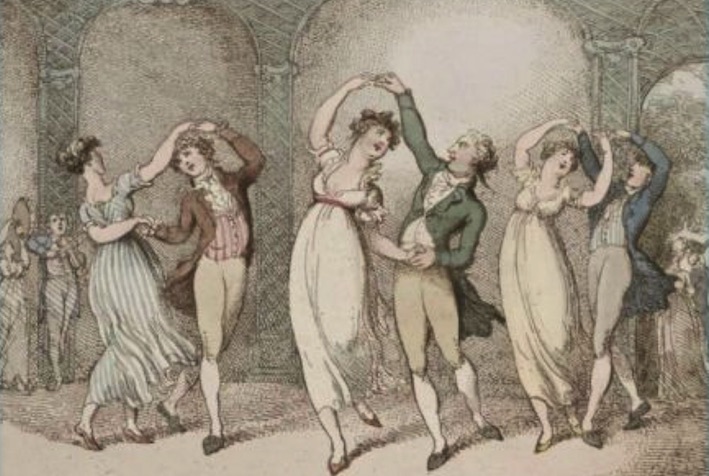
27th Easter School of 19th century dance and Scottish Country Dance - Società di Danza
Friday, 19 April - Monday 22 April 2019
Castel San Pietro (Bologna), Italy
Società di Danza
Director: F. Mòllica, S. Balsamo
With the participation as guest teacher of Mervyn Short (RSCDS)
Live music for Scottish Country Dance classes and Scottish Party by Ian Robertson (violin) and Andrew Nolan (piano)
The traditional Easter School of the Società di Danza this year will be in Castel San Pietro (Bo).
In a beautiful environment, we will have the opportunity to spend a few days of communuty life, and to study more in depth theoretical and practical aspects of 19 Century dance.
Program: social dance of 19th century tradition.
Quadrilles, Scottish Country Dance, Contredanse Francaise, Waltz, Polka, Mazurka and March.
The classes will be divided into Turner levels.
Classes and seminars will be held both morning and afternoon.
The evenings will be devoted to parties.
Staying at the Hotel Castello.
From Friday evening at dinner to Monday morning at lunch.
_______
Program
Friday, 19.4.2019
Afetrnoon: arrival
Evening: Theoretical seminar: 19th century dance in today’s life
Saturday, 20.4.2019
Morning: Classes of Quadrille, Scottish Country Dance, Waltz
Afternoon: Classes of Mazurka, Scottish Country Dance, Contradanse Francaise
Seminar: history and the experience of the Royal Scottish Country Dance
Evening: Party of 19th century dance
Sunday, 21.4.2019
Morning: Classes of Quadrille, Scottish Country Dance, Mazurka
Afternoon: Classes of Waltz, Scottish Country Dance, Polka
Seminar: etiquette and ball organization rules
Evening: Party of Scottish Country Dance
Monday 22.4.2019
Morning: Classes of Quadrille, Scottish Country Dance, Mazurka and Polka
Farewell Party
For further information contact: Società di Danza
- Workshop
- 19th century
- All levels
Grand Ball of Iris 2019
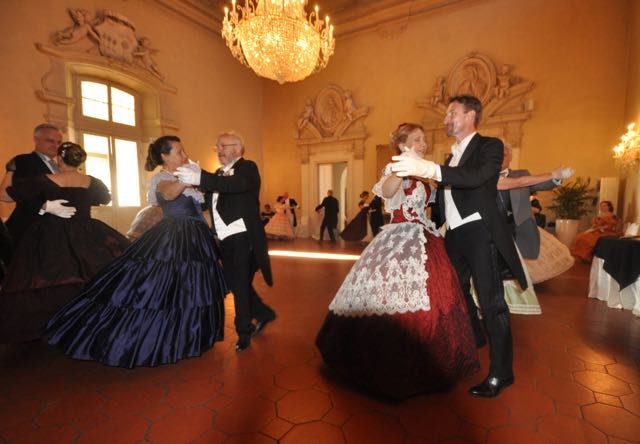
Grand Ball of Iris
19th Century Grand Ball
24.3.2019, Villa Viviani
Via G D'Annunzio 230, Firenze
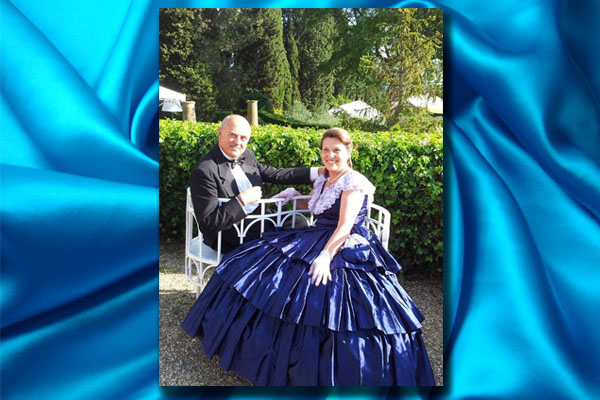
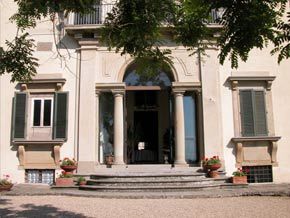
Società di Danza Firenze organizes a 19th Century Grand Ball in the beautiful Villa Viviani
Waltzes, quadrills, polka and mazurkas, contredanse and marches, Scottish country dances.
The ball will take place in the charming ancient salon of Villa Viviani.
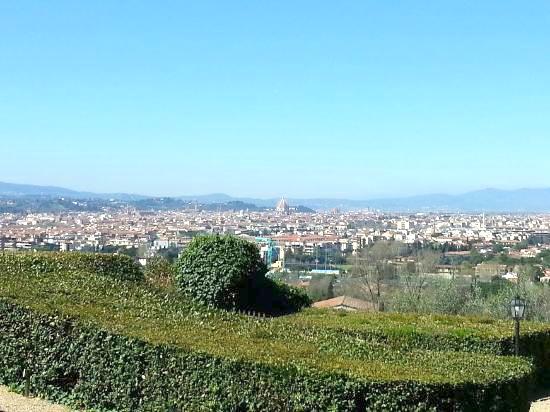
The historical villa has also a beautiful italian garden with a scenographic view of the City
The buffet will be served at the of the Ball.
Participation by invitation.
Dress code: 19th Ball dress romantic period.
To participate contact
Società di Danza Firenze
- Ball
- 19th century
- All levels
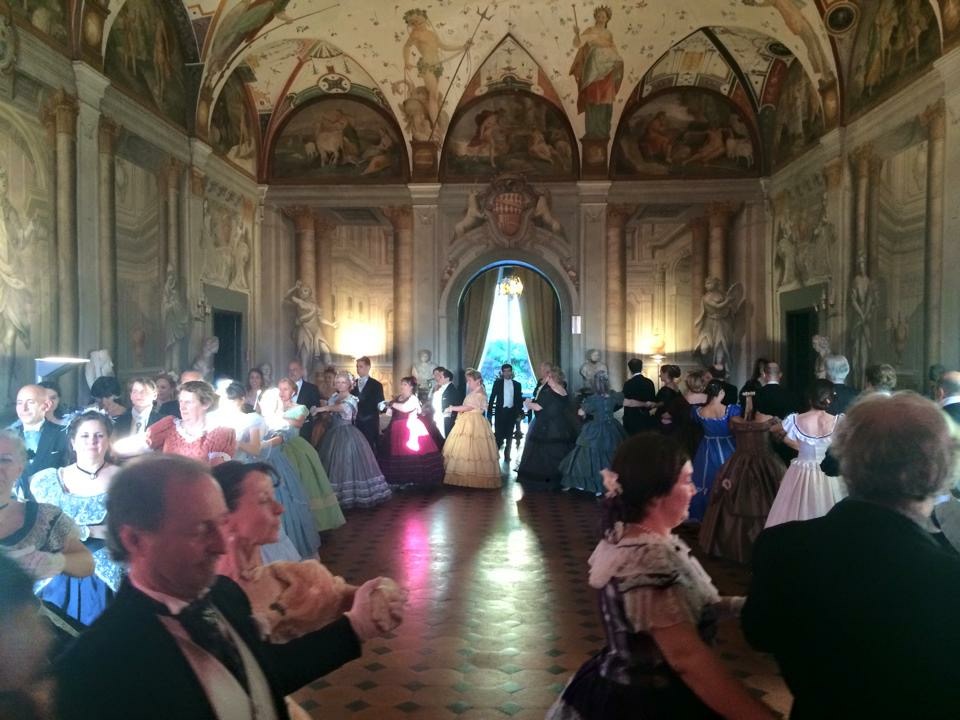
Grand Ball 'della Seta' 2019
Gran Ballo della Seta 2019
19th Century Grand Ball
28.4.2019, Villa della Seta di Corliano
San Giuliano Terme (Pisa)
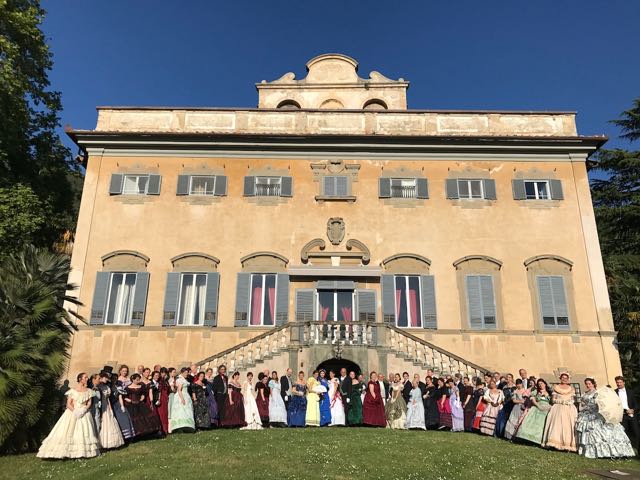
Circolo Pisano della Società di Danza organizes anreconstruction of a 19th Cenntury grand Ball in the marvellious historical Villa Agostini della Seta di Corliano, close to Pisa.
Quadrilles, waltz, polka and mazurkas, contredanse and marches, Scottish country dance and aglio.
The ball will take place in the elegant and charming main salon with ancient frescoes of Villa della Seta di Corliano.
A tea buffet will be served in the beautiful park with secular plants.
Villa di Corliano is recognized as one of the most beautiful renaissance Villas in Tuscany. Participation by invitation.
Dress code: 19th Ball dress romantic period.
To participate contact
Circolo Pisano della Società di Danza
- Ball
- 19th century
- All levels
"für die königlichen Prinzessinnen von Württemberg" - Choreographien um 1830 von Michel St,-Léon
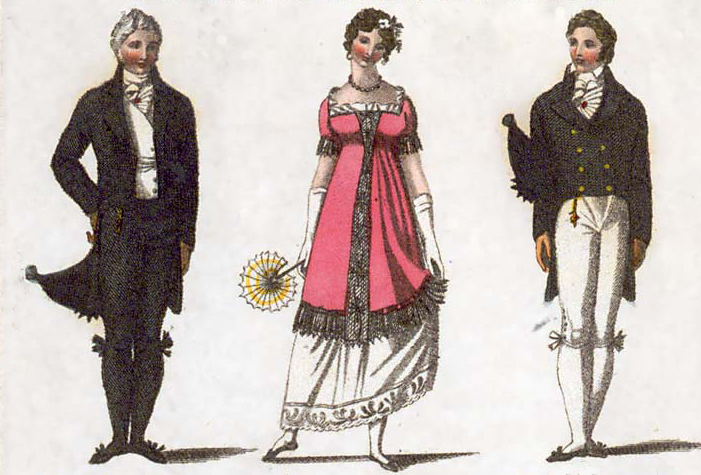
MICHEL SAINT-LÉON (1777 - 1853):
Michel Saint-Léon, Vater des berühmten Tänzers und Choreographen Arthur Saint-Léon und selbst Tänzer der Académie Royale de Musique in Paris, wirkte von 1822 - 1842 als Tanzmeister der Prinzessinnen am königlichen Hof von Württemberg. Ihnen widmete er zwischen 1829 und 1836 vier Notizbüchlein, in denen er Übungen für das Tanztraining, Theaterchoreographien und Gesellschaftstänze beschreibt.
Michel Saint-Léon komponierte viele Tänze für seine Schülerinnen wie Allemande composée pour les 3 Princesses, Mazourka composée par St-Léon, Boléros composé par St-Léon, Cracovia par St-Léon, Tirolienne composée pour S. A. R la P. Catherine, Guarachia danse espagnole ou nouvelle, Cachucha composée pour la Princesse Auguste, Kosaque composée pour S. A .R la princesse Auguste…
Im Kurs werden wir einige seiner Choreographien, deren Schrittrepertoire teilweise schon auf die Romantik verweist, kennenlernen und einstudieren.
ZIELGRUPPE:
Der Kurs wendet sich an fortgeschrittene Amateurtänzer und Tanzpädagogen, die sich in diesen eleganten Tanzstil zwischen Barock und Romantik vertiefen wollen.
Die Unterrichtssprache ist Englisch.
FESTE:
Nach Abschluss ihrer Ausbildung in klassischem Ballett widmete sich Irène Feste ab 2006 intensiv den verschiedenen historischen Tanzepochen. 2007 gründete sie mit P.-F. Dollé die Cie Fantaisies Baroque, für die sie choreographisch tätig ist. Mit ihr führt sie auch verschiedene pädagogische Projekte an Schulen und Konservatorien durch. Auftritte mit einer Reihe von Tanzensembles wie Les Corps Eloquents, Divertimenty, Le Baroque Nomade, La Tempesta und Doulce Mémoire machten sie international bekannt. Sie ist auch eine gefragte Tanzdozentin für Amateure und Professionals.
2014 und 2016 erhielt sie Stipendien des “Centre National de la Danse” zur Erforschung der Ent-wicklung des Gesellschaftstanzes zwischen 1811 und 1823 anhand der Bücher von J.H. Gourdoux-Daux und der Verbindung zwischen Tanztraining und Theatralik in den Choreographien von Michel Saint-Léon, 1829 - 1836.
KURSORT:
Ballettstudio Dancing
Pippinger Str. 121, München
KURSZEITEN:
Sa, 27.4.19: 11 - 18 Uhr
So, 28.4.19: 10 - 16 Uhr
KOSTEN:
100.- € / 70.- € (Schüler/Studenten)
ANMELDUNG:
Markus Lehner,
info@danceandhistory.org
Mühlfelder Str. 18b, 82211 Herrsching
Tel: 08152-5248
Anmeldung bitte bis 15.3.2019
per Email oder Post
(Achtung, begrenzte Teilnehmerzahl).
Die Anmeldung wird gültig mit der Überweisung des Kursbeitrags auf das Konto:
DANCE & HISTORY e.V.
Volksbank Herrsching
IBAN: DE53 7009 3200 0002 1790 75
BIC: GENODEF1STH
Während der Teilnahme an unseren Veranstaltungen sind Sie durch uns weder unfall- noch haftpflichtversichert. Eine Absage der Veranstaltung kann aus zwingendem Grund (Referentenausfall, zu geringe Teilnehmerzahl, etc.) erfolgen. Wir verständigen Sie dann umgehend.
- Workshop
- 19th century
- Intermediates
- Advanced
- Professionals
„für die königlichen Prinzessinnen von Württemberg“
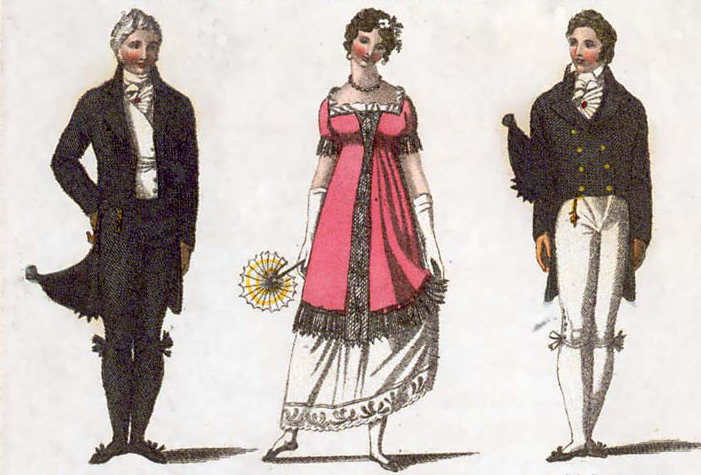
Choreographien um 1830 von Michel St.-Léon
Michel Saint-Léon (1777 - 1853), Vater des berühmten Tänzers und Choreographen Arthur Saint-Léon und selbst Tänzer der Académie Royale de Musique in Paris, wirkte von 1822 - 1842 als Tanzmeister der Prinzessinnen am königlichen Hof von Württemberg. Ihnen widmete er zwischen 1829 und 1836 vier Notizbüchlein, in denen er Übungen für das Tanztraining, Theaterchoreographien und Gesell-schaftstänze beschreibt.
Michel Saint Léon komponierte viele Tänze für seine Schülerinnen wie Allemande composée pour les 3 Princesses, Mazourka composée par St-Léon, Boléros composé par St-Léon, Cracovia par St-Léon, Tirolienne composée pour S. A. R la P. Catherine, Guarachia danse espagnole ou nouvelle, Cachucha composée pour la Princesse Auguste, Kosaque composée pour S. A .R la princesse Auguste…
Im Kurs werden wir einige seiner Choreographien, deren Schrittrepertoire teilweise schon auf die Romantik verweist, kennenlernen und einstudieren.
ZIELGRUPPE:
Der Kurs wendet sich an fortgeschrittene Amateurtänzer und Tanzpädagogen, die sich in diesen eleganten Tanzstil zwischen Barock und Romantik vertiefen wollen.
Die Unterrichtssprache ist Englisch.
- Workshop
- 19th century